
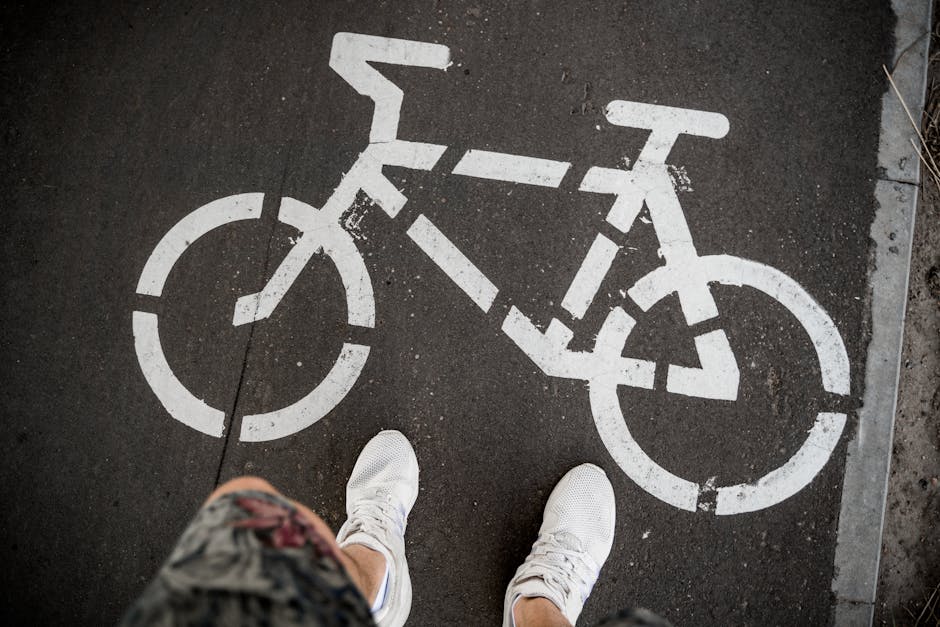
Active Transportation – Complete Guide
Introduction to Active Transportation
Active transportation refers to any form of travel that involves human-powered movement, primarily walking or cycling. It has gained significant popularity among individuals who prioritize health, sustainability, and efficiency in their daily routines. For cycling and fitness enthusiasts, active transportation isn’t merely a mode of getting from Point A to Point B—it’s a lifestyle choice that integrates exercise seamlessly into everyday life.
In recent years, there has been growing awareness of the negative impacts of car dependency, including air pollution, traffic congestion, and sedentary lifestyles. As a result, cities worldwide are investing in infrastructure to support active transportation, creating dedicated bike lanes, pedestrian pathways, and multi-use trails. These developments cater directly to the needs of commuters, athletes, and recreation seekers alike.
Cycling, in particular, stands out as a prime example of active transportation. Whether you’re commuting to work, embarking on weekend adventures, or simply enjoying a leisurely ride, bicycles offer unparalleled flexibility. They allow users to navigate urban environments efficiently while promoting cardiovascular health, muscle strength, and overall well-being. Fitness enthusiasts often leverage cycling as a primary workout method due to its low-impact nature and adaptability to various terrains and intensities.
This article serves as a comprehensive guide to understanding and embracing active transportation, focusing specifically on cycling and related fitness activities. We will explore the numerous benefits, provide practical guidance for beginners, discuss advanced techniques, and share insights to enhance your experience safely and effectively.
Key Benefits and Advantages
Adopting active transportation offers countless rewards that extend far beyond personal fitness goals. Here are some of the most compelling reasons why cycling and other forms of active mobility are becoming increasingly popular:
- Improved Physical Health: Regular cycling strengthens muscles, enhances heart function, and improves lung capacity. Studies show that people who cycle regularly have lower risks of chronic diseases such as obesity, diabetes, and hypertension.
- Mental Well-Being: Being outdoors while exercising releases endorphins, which reduce stress levels and improve mood. Many cyclists report feeling more focused and energized throughout the day after a good ride.
- Economic Savings: By opting for bikes instead of cars, individuals save significantly on fuel costs, parking fees, and vehicle maintenance expenses. Additionally, public transit passes may become unnecessary if you choose to commute independently.
- Environmental Impact: Cycling produces zero emissions, making it one of the greenest modes of transport available today. Choosing to pedal rather than drive helps reduce greenhouse gas emissions and contributes positively toward climate change mitigation efforts.
- Social Engagement: Joining local cycling communities or attending group rides fosters social connections. Events like charity bike-a-thons encourage teamwork spirit and raise funds simultaneously.
- Time Efficiency: In congested city centers, cycling can sometimes be faster than waiting for buses or dealing with unpredictable traffic patterns. Plus, no need to search for parking spaces!
The cumulative effect of these benefits makes active transportation not only beneficial for individual wellness but also crucial for building sustainable societies. As we continue our exploration, remember that incorporating even small amounts of activity into your routine can yield substantial long-term gains.
Getting Started Guide
If you’re new to cycling or considering integrating it into your daily life, following a few basic steps ensures a smooth transition. Begin by assessing your current fitness level and setting realistic expectations regarding distance covered per session. Start slow and gradually increase intensity over time to minimize injuries.
Selecting the right type of bicycle plays a vital role in enjoyment and effectiveness. Commuters usually prefer hybrid bikes because they combine features of road bikes and mountain bikes, offering comfort along with decent performance on varied surfaces. Mountain bikers opt for specialized models designed for rough terrain, whereas speed-focused riders might invest in lightweight racing machines suited for paved roads.
Before heading out, always equip yourself adequately. Essential gear includes:
- A high-quality helmet rated according to safety standards;
- Reflective vests or bright-colored clothing for visibility;
- Front and rear lights especially important during dusk hours;
- Wear closed-toe shoes with grip soles suitable for pedaling;
- Gloves providing extra control and protecting hands from blisters;
- Comfortable padded shorts or pants to prevent chafing issues.
Familiarize yourself with local traffic laws governing cyclists. Know how to signal turns properly, understand priority rules at intersections, and maintain adequate distance between vehicles whenever possible. Practicing these skills initially will build confidence and contribute greatly to safer journeys.
Plan routes carefully depending upon skill level and desired outcome. Beginners should stick to quiet streets devoid of heavy traffic until gaining proficiency. Once comfortable navigating busy areas confidently, feel free to challenge yourself with scenic trails or uphill climbs aimed at boosting endurance capabilities.
Best Practices
To maximize the benefits of active transportation while ensuring safety and longevity, adopting smart habits becomes essential. Following these best practices can transform occasional rides into consistent routines that enhance both physical condition and quality of life:
Route Planning: Utilize online mapping tools like Google Maps or Strava to identify optimal routes featuring minimal obstacles. Prioritize paths designated exclusively for non-motorized users wherever accessible. Consider factors such as elevation changes, surface types, and potential hazards like potholes or construction zones beforehand.
Maintenance Checks: Regular inspections guarantee reliable operation regardless of weather conditions. Ensure tire pressure remains appropriate for intended use (higher pressures suit fast-paced rides whereas softer settings accommodate smoother terrains). Lubricate moving parts frequently, particularly chain links which require periodic cleaning and oil application to preserve functionality over extended periods.
Pacing Yourself: Understand your body limits thoroughly. Newcomers must resist temptation to push too hard immediately post-adoption phase. Instead, focus on establishing rhythm through steady breathing combined with moderate exertion levels. Gradually incorporate intervals involving higher intensity bursts interspersed with recovery phases as stamina develops naturally.
Hydration Strategies: Carry sufficient water supplies irrespective of trip duration. Even brief excursions demand replenishment due to fluid loss caused by perspiration. Install bottle cages securely onto frames for easy access mid-journey. During prolonged sessions exceeding two hours, consider electrolyte-rich drinks to replace minerals lost through sweating.
Weather Preparation: Monitor forecasts diligently prior to departure. Adjust attire accordingly—layering options prove invaluable against sudden temperature shifts encountered commonly outdoors. Raincoats or waterproof jackets shield against precipitation damage while maintaining visibility for others nearby. Always carry spare batteries for electronic devices used during navigation tasks.
By implementing these best practices consistently, anyone pursuing active transportation can enjoy greater satisfaction derived from their chosen pursuits while reducing risk exposure associated with neglectful preparation methods.
Common Mistakes to Avoid
While embracing active transportation brings many positives, several common pitfalls hinder successful implementation. Recognizing these errors enables proactive avoidance thereby enhancing overall experiences dramatically:
Neglecting Protective Gear: One frequent oversight occurs when individuals underestimate the necessity of protective equipment despite knowing theoretical dangers involved. Wearing helmets minimizes head trauma chances substantially, yet still many skip putting them on unless forced legally mandated situations arise. Similarly, eye protection shields against debris flying unexpectedly at high speeds, preventing minor annoyances escalating into serious ocular complications later.
Ignoring Weather Conditions: Rushing outside without evaluating meteorological forecasts leads inevitably to discomfort or even danger scenarios. Cold temperatures freeze joints prematurely leading to stiffness problems affecting coordination abilities adversely. Wet surfaces drastically decrease traction increasing likelihood accidents occurring suddenly without warning signs present beforehand.
Overestimating Abilities Too Soon: Beginners often fall prey to unrealistic optimism believing they can handle complex routes immediately after acquiring first set of wheels. However, pushing past natural limitations causes premature fatigue resulting in burnout feelings deterring future participation altogether. Progress should occur incrementally allowing bodies adjust progressively without overwhelming systems unnecessarily early stages.
Distracted Riding Habits: Using smartphones excessively detracts attention away from surroundings critically required monitoring constantly changing dynamics around us continuously. Text messaging while operating machinery proves extremely hazardous exposing oneself vulnerable to collision incidents potentially causing severe bodily harm permanently altering lives irreversibly.
Improper Lane Positioning Techniques: Failing to position oneself appropriately within traffic flow creates confusion amongst motorists unsure exactly where expect bicyclists appearing suddenly within vicinity. Maintaining predictable behaviors through correct signaling procedures increases mutual respect fostering harmonious coexistence between different transport modalities sharing same space collectively.
Becoming aware of these typical missteps allows cyclists better preparedness managing encounters confidently minimizing avoidable mishaps arising from carelessness creeping insidiously unnoticed until it’s too late.
Advanced Tips
Once you’ve mastered the fundamentals of active transportation, elevating your cycling and fitness journey opens doors to new challenges and rewards. Incorporating advanced techniques not only boosts performance but also deepens your connection with the sport and environment. Below are expert-level suggestions for those ready to take their routines to the next level:
Interval Training: Interval workouts involve alternating periods of intense effort followed by rest or lighter exertion. This approach maximizes calorie burning efficiency while improving aerobic capacity rapidly. Design personalized plans targeting specific goals—whether enhancing sprint power, building hill-climbing resilience, or refining race-day strategy. Use heart rate monitors or GPS trackers to gauge progress accurately.
Off-Road Exploration: Transitioning from paved paths to rugged trails introduces novel stimuli challenging balance, core stability, and technical handling skills. Research trail difficulty ratings ahead of time and begin with less demanding circuits gradually progressing upwards. Invest in suspension components optimized for shock absorption if venturing deeper into wilderness regions characterized by uneven ground profiles.
Group Participation: Engaging with structured teams provides motivation alongside camaraderie. Local clubs organize guided tours, competitive leagues, and educational workshops covering topics ranging from mechanical repairs to nutritional science. Attending clinics led by certified coaches accelerates learning curves enabling quicker mastery over complicated maneuvers previously deemed intimidating.
Nutritional Optimization: Fueling appropriately before, during, and after rides sustains energy output consistently throughout entire durations. Pre-workout meals rich carbohydrates supply immediate glucose reserves powering muscular contractions efficiently. Mid-ride snacks containing balanced ratios protein-carb combinations assist preserving glycogen stores delaying onset fatigue symptoms noticeably. Post-exercise recovery foods aid tissue repair processes expediting return readiness states swiftly.
Performance Tracking: Employ digital platforms to log metrics revealing trends indicating improvements made overtime. Analyze data sets highlighting weak spots requiring additional focus areas. Set SMART objectives (specific, measurable, achievable, relevant, timely

news is a contributor at ActivePedal. We are committed to providing well-researched, accurate, and valuable content to our readers.