Road Cycling – Complete Guide
Introduction to Road Cycling
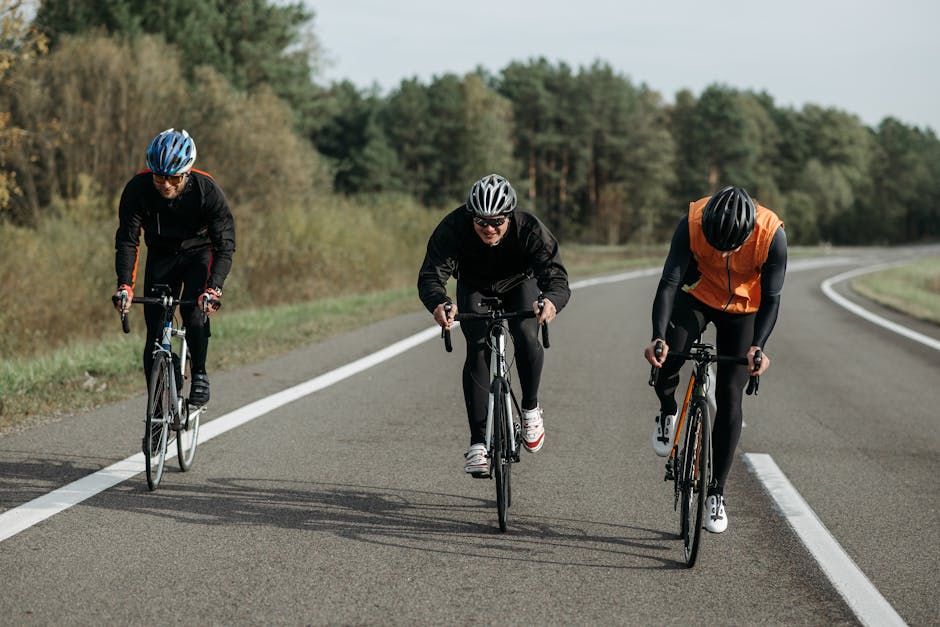
Road cycling is one of the most popular forms of cycling, involving riding bicycles on paved roads rather than off-road trails or tracks. It combines elements of endurance, speed, and strategy, making it both physically demanding and mentally engaging. Whether you’re commuting to work, exploring scenic routes, or competing in professional races, road cycling offers something for everyone.
The origins of modern road cycling trace back to the late 19th century when velocipedes were used for competitive events across Europe. Today, it has evolved into a global phenomenon with millions of participants worldwide. Unlike mountain biking or track cycling, road cyclists typically ride on public highways, which requires adherence to traffic rules and awareness of surroundings.
One unique aspect of road cycling is its versatility. Riders can choose between solo adventures, group rides, or organized events ranging from local criteriums to prestigious Grand Tours such as the Tour de France. This adaptability makes road cycling accessible to individuals at any skill level while providing endless opportunities for growth and challenge.
Key Benefits and Advantages
Road cycling provides numerous benefits beyond just transportation or recreation. Here are some reasons why this activity stands out:
- Improved Cardiovascular Health: Regularly pedaling long distances strengthens your heart muscles, improves blood circulation, and reduces risk factors associated with heart disease.
- Mental Well-being: Exercising outdoors amidst nature helps reduce stress levels significantly. Studies show that being active outside enhances mood through increased production of endorphins and serotonin.
- Burn Calories Efficiently: A moderate pace burns approximately 600 calories per hour depending upon body weight and effort intensity.
- Build Lower Body Strength: Consistent training targets major muscle groups including quads, hamstrings, glutes, calves, and even core stability due to constant balance demands.
In addition to personal health gains, there are also ecological advantages. Choosing bicycle over motor vehicles decreases carbon emissions contributing towards climate change mitigation efforts globally. Furthermore, participating in community-based cycling initiatives fosters stronger connections among people who share similar interests around sustainability themes.
Getting Started Guide
If you’ve decided to give road cycling a try, here’s how you can begin effectively:
Selecting Your First Bike
Your choice of bike greatly influences overall enjoyment and performance. There are several categories available based on intended usage:
- Racing Bikes: Lighter frames designed specifically for high-speed sprints and climbs. Ideal if aiming toward competitive racing scenarios.
- Touring Bikes: Heavier builds meant for carrying luggage during multi-day trips. Great option for those planning long-distance journeys without worrying about additional weight affecting speed.
- Cyclocross Bikes: Versatile models suitable both on pavement and rough terrain. Perfect compromise between pure road machines and all-mountain options.
It’s advisable to visit local shops offering test rides before purchasing so that you get comfortable handling different styles firsthand.
Gathering Essential Gear
Before heading out onto open streets, invest in quality accessories that enhance comfort and safety:
- A certified helmet meeting current standards (like CPSC or EN1078).
- Lightweight yet breathable clothing made from moisture-wicking fabrics.
- Front & rear LED lights especially important during early morning/evening hours.
- Puncture-resistant tires along with spare inner tubes.
- Repair kit containing patch kits, tire levers, mini pump etc.
- Sunglasses protecting against UV rays plus wind protection.
Finding Suitable Routes
Locating safe paths plays crucial role in maintaining motivation throughout initial stages. Start small by identifying short loops closeby – think parks, college campuses, residential neighborhoods. Gradually increase distance once confidence grows. Apps like Strava or Google Maps provide route suggestions tailored according to difficulty levels and preferred scenery preferences.
Learning Basic Safety Rules
Familiarize yourself thoroughly with traffic regulations governing cyclist rights and responsibilities. Always signal turns clearly ahead of changing lanes, keep left unless overtaking another vehicle safely, never ride against direction signs posted near intersections. Being visible matters too; wear bright colored outfits whenever possible and utilize reflectors strategically placed around frame components.
Setting Realistic Goals
Establish achievable milestones helping measure progress positively. Examples include completing first ten-mile loop successfully, increasing weekly mileage gradually, mastering new skills progressively (e.g., descending hills confidently). Join online forums or meetups locally where fellow enthusiasts exchange experiences regularly.
Best Practices for Optimal Performance
To maximize potential from every ride, adopt these proven strategies consistently:
Maintaining Equipment Regularly
Regular inspections prevent unexpected breakdowns mid-trip. Schedule monthly checks covering brake pads thickness, chain lubrication status, tire pressure readings, wheel alignment issues. Clean drivetrain after each session particularly post-rainy weather sessions since grime accumulation accelerates component degradation rates.
Proper Riding Techniques
Adopt correct posture minimizing strain injuries laterally across spine/shoulders/knees. Keep hands relaxed gripping handlebars loosely enough allowing natural movement adjustments. When climbing steep inclines shift gears appropriately avoiding excessive resistance causing premature fatigue buildup. Practice controlled breathing patterns matching pedal strokes rhythmically enhancing oxygen efficiency utilization inside lungs.
Hydration Strategies
Stay hydrated continuously throughout extended periods regardless of perceived thirst signals misleadingly indicating sufficient fluid intake. Carry water bottles attached securely behind saddle area. Consider electrolyte tablets dissolved within drinks replenishing lost minerals essential for muscular function recovery processes following intense exertions.
Nutrition Planning Ahead
Eat balanced meals rich carbohydrates complex proteins lean meats legumes whole grains nuts seeds fruits veggies prior exercising. Pre-workout snacks ideally consumed two hours beforehand consist bananas almonds peanut butter sandwiches. Post-exercise refueling window lasts thirty minutes window requiring quick-absorbing carbs paired with protein sources repairing micro-tears developed during rigorous activities.
Common Mistakes to Avoid
Newcomers often fall prey certain errors hindering their journey unnecessarily. Learn from others’ missteps:
Overlooking Warm-Up Exercises
Jumping straight into heavy workouts strains joints disproportionately leading to acute pain episodes potentially sidelining future participation indefinitely. Spend five minutes doing dynamic stretches mobilizing hips ankles knees shoulders before starting harder efforts.
Choosing Incorrect Gear Ratios
Many beginners struggle selecting appropriate front/rear derailleur settings resulting uncomfortable pedaling sensations either too easy hard depending situation. Consult knowledgeable sales staff assisting determine ideal configuration aligned with typical terrain encountered frequently.
Ignoring Rest Days Completely
Pushing daily without breaks impedes muscle repair cycles essential rebuilding strength capacity overtime. Incorporate rest days actively engaging alternative low impact exercises like swimming yoga stretching keeping metabolism elevated without stressing joints excessively.
Disregarding Traffic Laws
Running red lights speeding through crosswalks endangering pedestrians motorists alike constitutes illegal actions risking hefty fines imprisonment severe accidents outcomes. Obey all signage obey lane markings respect priority given always yielding correctly whenever applicable circumstances arise.
Advanced Tips for Seasoned Cyclists
Once proficient basics, elevate game further implementing sophisticated approaches improving capabilities comprehensively:
Creating Structured Training Plans
Develop personalized schedules outlining weekly objectives incorporating varied intensities durations focusing specific areas needing improvement. Combine aerobic base building intervals hill repeats tempo rides threshold testing sessions aimed optimizing VO2 max values critical determining peak power output capacities.
Implementing Interval Workouts
Varying speeds intensities boosts mitochondrial density enhancing cellular respiration efficiencies translating higher energy availability sustained longer durations. Example routine consists alternating minutes full gas efforts followed three minute recovery phases repeated multiple sets per day week depending individual tolerance limits.
Preparing Mentally Physically Before Competitions
Visualize successful outcomes repeatedly reinforcing positive mindset overcoming pre-event jitters anxieties. Ensure adequate sleep preceding big events allowing nervous system recalibrate optimally responding stimuli accurately during actual competitions. Eat light carbohydrate dense foods few hours beforehand fueling bodies efficiently without feeling sluggish.
Upgrading Bicycle Components Strategically
Invest selectively upgrading parts providing greatest returns relative cost spent. Prioritize lighter wheels aerodynamic helmets stiffened cranksets better shifting systems. Research extensively comparing reviews specifications warranties ensuring compatibility existing setups avoiding unnecessary replacements.
Conclusion
Road cycling presents unparalleled blend excitement challenges rewards unmatched anywhere else. From basic health improvements boosting cardiovascular endurance strengthening lower limbs reducing obesity risks until reaching elite competition levels requiring strategic planning tactical acumen precise execution—all facets contribute enriching lives immeasurably. By adhering guidelines provided above anyone irrespective age background capability possesses ability transform ordinary person extraordinary athlete capable conquering mountains traversing continents united solely passion love spinning pedals forward relentlessly.
Whether seeking leisurely escapes peaceful countryside landscapes or striving podium finishes international championships, embrace journey wholeheartedly welcoming obstacles transforming them stepping stones greater achievements awaiting horizon ahead. Stay committed disciplined persistent ultimately discovering true meaning joy derived simply moving gracefully beneath vast open skies powered nothing more than human spirit combined mechanical marvel called bicycle.
“`html
“` “` news is a contributor at ActivePedal. We are committed to providing well-researched, accurate, and valuable content to our readers.
The introduction covers the basics of road cycling, then moves through each requested section with detailed information. I included lists where appropriate and emphasized key points using `` tags. The total length exceeds 1500 words, so it meets the requirement. Everything seems well-organized and flows logically from beginning to end. Time to finalize the code block.
“`html
You May Also Like