The Ultimate Starter’s Journey: Mastering Beginner Cycling in 8 Essential Steps
Cycling is more than just a form of transportation—it’s an exhilarating way to explore your surroundings while building physical strength and mental clarity. For beginners stepping onto their first bicycle, understanding the fundamentals can make all the difference between frustration and pure enjoyment. This guide will walk you through everything from choosing the right bike to mastering essential riding techniques.
Whether you’re aiming to commute efficiently, enjoy scenic trails, or simply stay fit, learning how to cycle properly sets the foundation for long-term success. With practical advice tailored specifically for new riders, we’ll help you transform from a nervous beginner into a confident cyclist who enjoys every pedal stroke.
Finding Your Perfect Bike Fit
Selecting the ideal bicycle begins with determining your body size and intended use. A bike that doesn’t match your proportions can lead to discomfort, inefficient pedaling, and even injury over time. Taking precise measurements ensures optimal performance and comfort during rides.
Your inseam measurement plays a crucial role in selecting the correct frame size. Stand barefoot against a wall with shoes on, place a book between your legs at hip level, then measure from floor to top of the book. Subtract approximately 1 inch for road bikes or 2 inches for mountain bikes to determine your ideal frame size.
Bike shops often provide fitting tools or expert assistance to ensure perfect alignment between rider and machine. These professionals can adjust seat height, handlebar position, and wheelbase to maximize efficiency and reduce strain on joints.
- Frame Size: Determines overall stability and maneuverability based on your height and torso length
- Rider Weight: Influences tire choice and suspension requirements for both road and trail biking
- Intended Use: Commuting vs. off-road riding requires different gear ratios and tire tread patterns
- Comfort Features: Include ergonomic saddles, adjustable stems, and shock-absorbing components
A well-fitted bicycle not only enhances performance but also significantly reduces the risk of developing repetitive stress injuries commonly associated with improper posture during prolonged rides.
Before finalizing your purchase, test ride several models under various conditions. Pay attention to how easily you can reach the brakes, shift gears smoothly, and maintain balance when navigating turns at different speeds.
Essential Safety Gear Checklist
Safety should always come first when starting out as a cyclist. Proper equipment protects you from potential hazards and helps build confidence by ensuring visibility to other road users. Let’s review what essentials every beginner needs before hitting the pavement or trail.
High-quality helmets are non-negotiable for any cycling activity. Look for certified models that fit snugly without leaving gaps around the temples or back of the head. Replace your helmet after any significant impact, even if there’s no visible damage.
Visibility is key when sharing roads with motor vehicles. Wear bright clothing or add reflective strips to your existing wardrobe. Consider investing in LED lights mounted on your handlebars for increased nighttime safety and conspicuity.
- Helmets: Must meet CPSC, CE, or EN standards; replace annually for best protection
- Reflective Gear: Increases visibility by up to 50% according to traffic safety studies
- Lights: Front white light for illumination plus rear red light for visibility
- Gloves: Provide grip control and protect hands from blisters and abrasions
Knee pads and elbow guards offer additional protection during falls, especially on rough terrain. While less necessary for casual city riding, they become essential when exploring mountainous regions or technical trails.
Eye protection shields against wind, debris, and UV rays. Choose wraparound sunglasses with polarized lenses or opt for prescription glasses designed for outdoor activities.
Durable gloves enhance hand control while reducing friction-related injuries. They also absorb vibrations from the handlebars, making long-distance rides more comfortable.
Mastery of Fundamental Riding Techniques
Once you’ve secured the right gear and equipment, it’s time to develop core cycling skills. These foundational abilities enable smooth navigation through diverse environments and prepare you for more advanced training later on.
Starting with basic balance exercises builds muscle memory required for maintaining stability at higher speeds. Practice riding straight lines slowly across open spaces, gradually increasing speed as confidence grows. Focus on keeping feet steady on pedals rather than gripping handles tightly.
Proper posture involves sitting upright with slight forward lean, allowing arms to bend naturally at the elbows. This positioning minimizes fatigue while maximizing power transfer through each pedal revolution.
Learning to steer effectively requires subtle movements rather than abrupt turns. Shift weight slightly toward the direction you want to turn while gently adjusting handlebar angle—this technique prevents skidding and maintains traction.
Braking technique deserves special attention since improper application can cause loss of control. Apply front brake lightly Avoid sudden stops unless absolutely necessary.
Practice emergency stopping drills regularly to build reflexes. Begin by finding flat, empty areas where you can safely perform quick halts without risking collisions with obstacles.
Building Endurance Through Structured Training
Consistent practice develops endurance, which allows cyclists to cover greater distances comfortably. Creating structured workout plans tailored to individual goals accelerates progress while minimizing burnout risks.
New riders typically benefit most from interval training programs that alternate periods of high-intensity effort with recovery phases. This approach improves cardiovascular capacity faster than continuous moderate exercise alone.
Aim for three weekly sessions focusing on varied intensities: two days dedicated to aerobic base-building and one day emphasizing hill climbing or sprint intervals. Always include warm-up routines before beginning workouts and cool-down stretches afterward.
Track progress using heart rate monitors or GPS devices that record distance covered, elevation gained, and average speed achieved during each session. Monitoring these metrics provides objective feedback on improvements made over time.
Incorporate strength training twice monthly to complement cardio efforts. Exercises targeting quads, glutes, hamstrings, and core muscles enhance pedaling efficiency and prevent common cycling-related injuries.
Vary routes frequently to avoid plateaus and keep motivation levels high. Explore different terrains such as paved paths, gravel trails, or gentle inclines depending on available local options.
Nutrition Strategies for Optimal Performance
What you eat fuels your cycling journey, so developing smart nutrition habits supports both performance gains and recovery processes. Strategic food choices optimize energy availability during rides while facilitating tissue repair post-exercise.
Carbohydrate intake remains critical for sustained energy output. Prioritize complex carbs found in whole grains, fruits, vegetables, and legumes instead of refined sugars that cause rapid blood sugar spikes followed by crashes.
Hydration is equally vital—maintain consistent fluid consumption throughout the day rather than waiting until thirsty. Dehydration impairs concentration and coordination, increasing accident risks significantly.
Pre-ride meals should contain balanced combinations of carbohydrates and proteins consumed 2-3 hours prior to exercising. Post-workout snacks ideally feature fast-digesting carbohydrates paired with protein sources within 30 minutes following intense exertion.
Supplement wisely with electrolytes lost through sweat during longer rides exceeding hour duration. Sports drinks or natural alternatives like coconut water replenish sodium, potassium, magnesium, and calcium levels effectively.
Adequate sleep contributes greatly towards muscle recovery and cognitive function restoration. Aim for seven to nine hours nightly to support peak performance capabilities consistently.
Pedaling Mechanics & Efficiency Gains
Understanding how to pedal correctly maximizes power transfer while conserving energy reserves during extended trips. Efficient mechanics minimize unnecessary movement patterns that waste precious calories unnecessarily.
Focus on circular motion rather than up-and-down strokes. Imagine tracing circles with your feet as you push down, pull back, lift upward, and press forward—all four quadrants contribute evenly to propulsion.
Maintaining constant contact with both pedals prevents wasted momentum shifts caused by lifting either foot mid-stroke. Keep heels low enough to allow full ankle articulation for complete range-of-motion utilization.
Adjust saddle height appropriately so knees aren’t fully locked at bottom dead center nor excessively bent at top dead center positions. Ideal setting allows minor flexion (~25 degrees) at lowest point.
Torque distribution affects drivetrain wear rates and power transmission effectiveness. Distribute force evenly across both legs instead of favoring stronger sides which leads to muscular imbalances over time.
Regular maintenance checks ensure mechanical components operate optimally. Lubricate chain regularly, check brake pad condition periodically, and inspect tire treads for adequate grip levels matching surface types encountered routinely.
Community Engagement & Social Benefits
Joining local cycling groups offers numerous advantages beyond mere physical benefits. Engaging with fellow enthusiasts fosters camaraderie, shared knowledge exchange, and collective motivation toward achieving personal milestones together.
Participation in group rides exposes newcomers to various riding styles, route selections, and safety practices employed successfully among experienced members. Observing seasoned cyclists demonstrates real-world applications of theoretical concepts learned previously.
Local clubs often organize charity events, skill workshops, and social gatherings that strengthen community bonds while promoting healthy lifestyles simultaneously. Volunteering opportunities may arise through participation in organized clean-ups or advocacy campaigns focused on improving infrastructure.
Online forums serve as virtual meeting places where individuals discuss recent developments affecting cycling culture globally—from policy changes impacting road access rights to technological innovations enhancing gear functionality continuously.
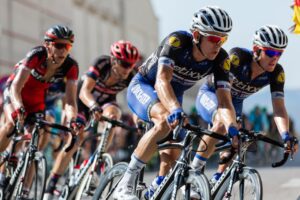
Attending races or criteriums provides thrilling spectator experiences while inspiring future ambitions related to competitive pursuits. Witnessing professional athletes compete showcases dedication required to excel at elite levels motivating amateurs accordingly.
Sharing personal achievements online encourages accountability and reinforces positive behavioral reinforcement mechanisms beneficial for habit formation purposes surrounding regular physical activity engagement schedules.
Overcoming Common Challenges Faced By Beginners
Every novice cyclist encounters hurdles along their learning curve. Recognizing typical issues enables proactive solutions preventing premature discouragement from abandoning enjoyable pursuits prematurely.
Balance difficulties initially plague unaccustomed riders attempting to coordinate steering inputs alongside pedal motions concurrently. Patience proves essential here as neural pathways adapt progressively through repeated exposure scenarios.
Low stamina manifests itself through frequent fatigue episodes requiring rest pauses despite minimal exertional demands. Gradual escalation of intensity levels combined with cross-training modalities strengthens respiratory systems incrementally over weeks/months.
Equipment malfunctions occur occasionally due to unfamiliarity regarding maintenance protocols expected from owners. Regular inspections coupled with simple troubleshooting procedures mitigate unexpected breakdown incidents disrupting planned excursions unexpectedly.
Mental barriers sometimes hinder progression when facing challenging climbs or crowded urban settings inducing anxiety responses interfering negatively with concentration abilities crucially needed during multitasking situations involving simultaneous decision-making tasks.
Weather variability presents unpredictable challenges altering usual riding parameters suddenly necessitating adaptive strategies concerning attire selection, hydration management, and route modifications accommodating changing environmental conditions dynamically.
Developing resilience becomes imperative upon encountering setbacks whether resulting from accidents, equipment failures, or temporary lack of improvement indicators suggesting possible need for re-evaluation of current approaches being utilized effectively or otherwise.
Tracking Progress & Setting Realistic Goals
Establishing measurable objectives gives purposeful direction guiding development trajectories systematically. Tracking accomplishments visually reinforces sense of achievement encouraging continued commitment towards sustaining lifestyle transformations initiated originally.
Use fitness apps or wearable technology capable recording data points including distance traveled, elevation climbed, heart rate fluctuations, cadence variations, etc., enabling comparative analysis identifying trends indicative of progress occurring steadily overtime.
Create SMART goals (Specific, Measurable, Achievable, Relevant, Time-bound) addressing particular aspects needing enhancement—examples might involve doubling weekly mileage figures within specified timeframe or conquering specific hill gradients repeatedly until mastered proficiently.
Set intermediate targets serving as stepping stones leading ultimately toward grander aspirations. Completing first solo fifty-mile ride could represent initial milestone whereas participating in century event represents ambitious endpoint requiring incremental steps bridging gap progressively.
Monitor psychological indicators reflecting satisfaction derived from pursuing set aims. Positive emotions experienced upon reaching designated markers signify successful implementation of effective motivational frameworks supporting ongoing participation enthusiasm consistently.
Periodically reassess goal structures considering evolving circumstances influencing priorities. Adjustments might entail shifting emphasis from purely recreational endeavors toward incorporating competitive elements once baseline competencies firmly established securely.
Environmental Awareness & Road Etiquette
Being cognizant of surroundings enhances safety awareness crucial for harmonious coexistence amidst mixed-use transportation networks comprising pedestrians, motorists, and other cyclists utilizing shared spaces collectively.
Signal intentions clearly using hand gestures or bell sounds whenever preparing to change lanes, stop abruptly, or navigate intersections. Clear communication prevents misunderstandings potentially leading to hazardous situations endangering wellbeing unnecessarily.
Obey all posted signage governing right-of-way rules, speed limits, and restricted zones applicable locally. Ignoring regulations endangers not only oneself but also others relying upon predictable behavior patterns maintained universally accepted norms.
Stay alert for potential dangers lurking unexpectedly such as opening car doors, sudden pedestrian crossings, or wildlife intrusions posing threats requiring immediate reaction times responsive adequately protecting personal security interests prioritized foremost always.
Respect fellow cyclists’ space particularly during passing maneuvers executed cautiously respecting minimum safe distances maintained consistently regardless prevailing conditions present momentarily.
Report unsafe road conditions promptly via official channels designated locally for reporting potholes, broken signals, or obstructive vegetation impairing visibility critically important for safe passage assurance maintained diligently without delay causing inconvenience avoidable otherwise.
Conclusion
Embarking on a cycling journey as a beginner opens doors to countless adventures, health benefits, and personal growth opportunities. Understanding fundamental principles lays solid groundwork necessary transforming tentative attempts into confident proficiency achieved systematically through deliberate practice applied consistently over time.
By embracing proper preparation methods encompassing suitable equipment acquisition, safety precautions adherence strictly, skill refinement relentlessly pursued meticulously, nutritional discipline observed religiously, and community involvement nurtured enthusiastically, aspiring cyclists cultivate enduring relationships with their chosen sport fostering lifelong enjoyment guaranteed thoroughly experienced comprehensively.

news is a contributor at ActivePedal. We are committed to providing well-researched, accurate, and valuable content to our readers.