
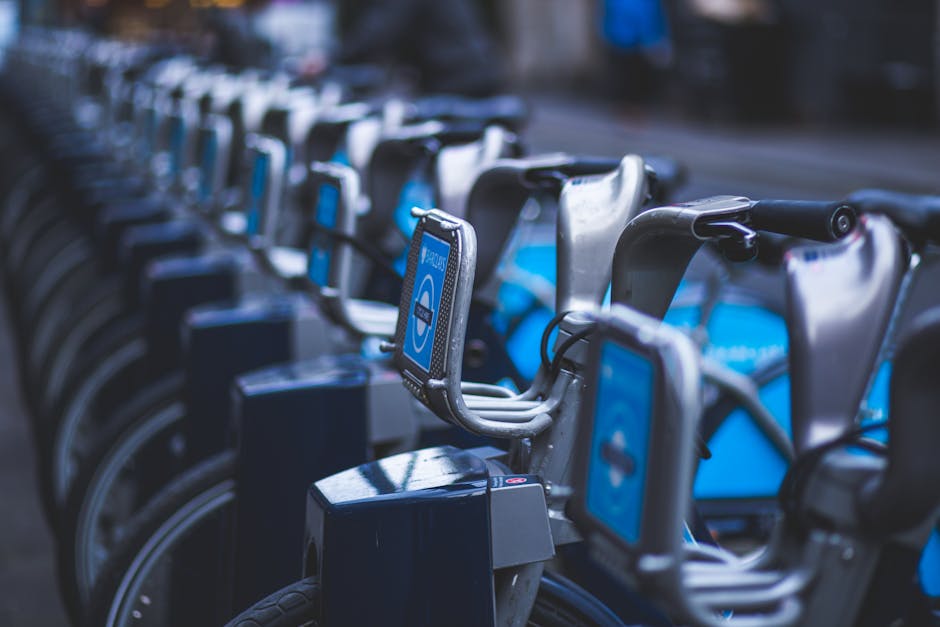
The European Model
European cities are reaping the benefits of cycling infrastructure, with lower greenhouse gas emissions, reduced air pollution, and improved health for citizens. However, our own cities in Ireland are lagging behind, with a lack of investment in cycling infrastructure and a reliance on fossil fuels. European cities have shown that with the right infrastructure, cycling can be a game-changer for urban mobility. Amsterdam, for example, has an extensive network of over 500km of bike lanes, with 38% of trips made by bicycle. Paris has also made significant strides, with over 1,000km of bike lanes and a goal to become a completely cyclable city by 2026.
The Benefits of Cycling
Cycling has numerous benefits for individuals and communities. It reduces fossil fuel emissions, air pollution, and noise pollution, improving quality of life in densely urbanised cities. Cycling is also an affordable option for daily transport, requiring no fuel or recurring parking fees, tax, or insurance. The bicycle is also a healthy mode of transport, reducing the risk of obesity and boosting mental health. Studies show that regular cyclists are 46% less likely to develop chronic illnesses, including heart disease, stroke, osteoporosis, hypertension, diabetes, back problems, cancer, and depression.
Challenges and Solutions
While there are challenges to implementing cycling infrastructure, including conflicts between cyclists and drivers, and cultural resistance, these can be overcome with well-designed infrastructure and awareness campaigns. Cities with extreme weather or challenging terrain face additional barriers, but electric bikes can help to overcome these obstacles. The biggest challenge, however, is cultural resistance, which requires a solid vision of a city centred on sustainable mobility and the political drive and determination to make that vision a reality.
Real-Life Examples
Cities across Europe are paving the way towards more sustainable mobility and a greener, healthier future. Berlin, for example, took advantage of the covid pandemic to push out sustainable mobility, adding 25km of temporary bike lanes that later became permanent due to their success. Amsterdam and Paris are also leading the way, with extensive networks of bike lanes and a culture that prioritises sustainable mobility. Paris aims to be a completely cyclable city by 2026, with a budget of €250 million dedicated to cycling infrastructure.
A Call to Action
Ireland needs to catch up with its European neighbours and invest in cycling infrastructure. This requires a solid vision of a city centred on sustainable mobility, and the political drive and determination to make that vision a reality. We need to be aware of the benefits of cycling and the challenges that come with it. We need to be willing to make changes and adapt to new ways of thinking. And we need to be prepared to work together to create a more sustainable future.
| Key Benefits of Cycling |
|---|
| Reduces fossil fuel emissions |
| Reduces air pollution |
| Reduces noise pollution |
| Improves quality of life |
| Reduces health risks |
| Is an affordable option for daily transport |
“Cycling is the future of urban mobility. It’s not just a mode of transport, it’s a way of life.” – Dr Catherine Conlon, Public Health Doctor in Cork
With the right infrastructure and a solid vision, cycling can be a game-changer for urban mobility. It’s time for Ireland to catch up with its European neighbours and invest in cycling infrastructure.
References
- European Commission. (2020). Cycling in Europe: A Guide to Best Practices.
- Cycling Campaigns Ireland. (2020).
news is a contributor at ActivePedal. We are committed to providing well-researched, accurate, and valuable content to our readers.
You May Also Like