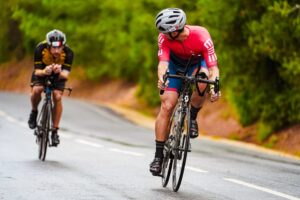

Cycling Performance Fueling: The Science Behind Sustained Energy & Recovery
The right nutrition can transform your cycling performance from good to exceptional. As an avid cyclist, you know that every mile is powered by what you consume before, during, and after rides. Proper fueling isn’t just about energy; it’s about optimizing both endurance and recovery.
Understanding how nutrients impact your body during physical exertion can make all the difference between hitting personal bests and falling short. This guide will break down exactly what fuels successful cyclists, when to eat, and why each choice matters in maximizing your time on the bike.
Fueling Your Body Like a Pro Cyclist
A well-planned diet forms the foundation of any competitive athlete’s routine. For cyclists who train consistently and compete regularly, macronutrient balance becomes crucial. Carbohydrates serve as primary energy sources while proteins support muscle repair and fats provide essential micronutrients and long-term energy storage.
Your daily caloric intake needs vary depending on training volume. Endurance riders often require up to 6000 calories per day during intense periods compared to 2000-2500 for less frequent riders. Tracking intake through food journals or apps helps maintain ideal weight while meeting energy demands without excess.
- Carbohydrate Loading: Strategically increasing carb stores before races improves glycogen reserves which sustain prolonged efforts
- Precision Hydration: Maintaining electrolyte balance prevents cramping and sustains neuromuscular function during multi-hour events
Micronutrient density shouldn’t be overlooked either. Vitamins B-complex assist in converting carbs to usable energy while magnesium supports muscular contraction efficiency. Including foods rich in these elements ensures optimal cellular functions under stress.
Daily Nutritional Timing Strategy
Eating at strategic times enhances absorption rates and utilization efficiencies. A pre-race meal consumed three hours prior offers sustained energy without digestive discomfort. Post-workout window within 30 minutes allows muscles to replenish glycogen stores most effectively.
Blood glucose regulation plays critical role during training sessions. Low-carb days don’t compromise performance but rather stimulate mitochondrial adaptations that enhance fat oxidation capabilities. These metabolic changes translate into better endurance over time.
Nutrient Windows Around Training Sessions
Data shows immediate post-exercise protein ingestion leads to enhanced muscle synthesis rates by up to 38%. Pairing 20-40g leucine-rich proteins with carbohydrates within 15 minutes maximizes recovery processes even across extended rest intervals.
Pre-workout meals need sufficient digestibility time. High-fiber options may cause gastric distress if eaten too close to activity commencement. Optimal timing usually requires experimenting based on individual response patterns.
Glycemic Management During Rides
During long-distance cycling events exceeding two hours, maintaining blood sugar levels becomes paramount. Sports gels containing maltodextrin offer easily absorbable carbohydrates at precise dosages suitable for ongoing energy supply.
Hypoglycemia risks increase dramatically after 90 minutes of continuous output regardless of preparation level. Smart carbohydrate strategies involve calculating gram-per-hour intake according to heart rate zones to avoid crashes mid-event.
- Carbo-loading Protocol: Gradually increasing carbohydrate percentage to 70% of total intake starting five days before major competition enhances available energy stores significantly
- Electrolyte Monitoring: Sodium levels drop by approximately 3mg/kg/hour during sweat losses requiring periodic replenishment via isotonic drinks
Customizing sports nutrition plans involves knowing exact hourly requirements. Professional teams use lab tests determining specific fluid replacement volumes matched precisely against predicted sweat losses measured during baseline trials.
Recovery Nutrition Techniques
Post-exertion nourishment accelerates tissue regeneration and reduces inflammation markers. Combining fast-absorbing carbohydrates with high-quality proteins initiates repair mechanisms efficiently. Cold water immersion also aids in reducing DOMS severity by constricting blood vessels around damaged tissues.
Inflammation control is vital following hard workouts. Omega-3 fatty acid supplementation has been shown to decrease CRP levels by up to 25%, improving overall readiness for subsequent training cycles. Contrast therapy alternates hot/cold exposure enhancing circulation benefits twofold.
Optimizing Sleep and Protein Intake Correlation
Sleep deprivation impedes insulin sensitivity resulting in reduced amino acid uptake capacities. Aim for seven full hours nightly where REM stages promote neuroplasticity linked directly with motor learning proficiency improvements among athletes.
Consuming complete proteins before bedtime triggers slow-digesting casein release supporting overnight muscle maintenance. Research indicates 30g whey isolate taken 30 minutes prior achieves peak serum concentration ranges beneficial for preservation purposes.
Crafting Personalized Nutrition Plans
Every cyclist’s nutritional needs differ based on genetic makeup and physiological characteristics. Body composition goals dictate different ratios between protein, carbs, and fats. Metabolism types influence whether high-glycemic index foods benefit or hinder performance outcomes.
Consulting registered dietitians familiar with athletic conditioning provides tailored guidance. Bloodwork analysis reveals deficiencies affecting oxygen transport capabilities or immune system robustness that would otherwise go unnoticed through symptoms alone.
Tracking Progress Through Biomarkers
Regular monitoring via bioelectrical impedance devices tracks hydration status accurately. Muscle mass percentages obtained weekly help adjust intake accordingly ensuring lean gains instead of unwanted bulk accumulation.
Measuring hemoglobin concentrations detects iron deficiency early enough to prevent fatigue onset prematurely. Early intervention saves months lost due to undiagnosed conditions impacting power outputs negatively.
Hydration Strategies for Different Weather Conditions
Environmental temperatures drastically alter fluid requirements. Hot climates mandate higher sodium intakes to compensate for accelerated sweating losses. Using salt tablets strategically maintains intracellular equilibrium preventing dehydration-related impairments.
Cold weather increases risk of GI issues despite lower evaporative losses. Warming fluids properly before consumption protects mucosal linings reducing chance of diarrhea episodes common amongst winter cyclists exposed frequently to subfreezing temperatures.
- Temperature Adjusted Hydration: Drink 500ml + 0.8 x bodyweight kg in liters formula adjusts for ambient influences dynamically
- Thermoregulation Tactics: Ice vest usage cools core temps lowering perceived exertion levels by roughly 2 degrees Celsius
Altitude adjustments are equally crucial for mountain climbers. At elevations above 2500m, plasma volume decreases causing increased thirst sensations needing extra attention towards replenishing electrolytes beyond standard recommendations.
Supplement Considerations for Advanced Cyclists
Sports supplements act as supportive tools rather than replacements for wholefoods. Creatine monohydrate enhances ATP production boosting sprint performances appreciably when used correctly. Beta-alanine buffers lactic acid buildup extending time-to-exhaustion metrics visibly.
Vitamin D supplementation corrects insufficiencies prevalent in indoor training cohorts limiting bone health deterioration risks. Nitric oxide boosters dilate capillaries facilitating improved oxygen delivery pathways crucial for threshold zone achievements.
- Timing Optimizations: Taking branched chain amino acids thirty minutes pre-exercise minimizes breakdown potentials during maximal intensity phases
- Dosage Precision: Micronutrient loading protocols follow specific mg/kg formulas derived from sport science research studies proving efficacy levels
Always consult healthcare professionals before initiating new supplement regimens especially regarding medications interactions that could produce unintended side effects detrimental to cycling pursuits.
Training Phase Specific DietsOff-season base building requires adequate calorie surpluses allowing muscle accretion safely. Focus shifts toward balanced omnivorous diets emphasizing complex carbs alongside moderate protein intake for structural development opportunities.
Preparation phase increases emphasis on precision eating aligning closely with competition schedules. Carb cycling techniques reduce body fat percentages while preserving glycolytic enzyme activities necessary for race-day performance expressions.
- Taper Period Nourishment: Reducing training load necessitates adjusting macros upward slightly avoiding bonking situations likely encountered otherwise
- Racing Day Strategy: Following team chef menus meticulously avoids gastrointestinal surprises guaranteeing consistent output quality throughout event durations
Periodization principles apply across macro management schemes ensuring gradual transitions between nutrient focuses match evolving physiological adaptation states naturally occurring throughout annual calendars.
Common Myths About Cyclist Nutrition
Many misconceptions surround athlete fuelling practices leading to improper implementation choices harming potential progress trajectories. Believing excessive protein always builds stronger bodies ignores damage prevention aspects favoring holistic approaches instead.
Craving carbohydrates doesn’t indicate weakness; they’re fundamental fuel sources required sustaining long haul efforts without experiencing premature exhaustion signals emanating internally from depleted reserves.
- “Protein Is Always Good”: Overconsumption causes kidney strain particularly concerning for individuals predisposed genetically to renal sensitivities
- “All Fats Are Bad”: Healthy omega-3 variants found abundantly in fish products actually protect joints minimizing degeneration risks faced commonly by road racers
Debunking these fallacies allows clearer understanding towards constructing effective dietary frameworks tailored specifically to each rider’s unique situation parameters encompassing various influencing factors simultaneously.
Conclusion
Mastering nutrition transforms cycling experience from merely moving wheels into achieving true athletic excellence. Strategic planning around macronutrient distribution creates perfect synergy between biological systems ensuring top form maintained consistently.
To implement these principles successfully, begin by evaluating current habits through objective measurements then gradually integrate recommended modifications step-by-step tracking results diligently until desired outcomes materialize clearly observable in actual ride performances achieved routinely thereafter.

news is a contributor at ActivePedal. We are committed to providing well-researched, accurate, and valuable content to our readers.