
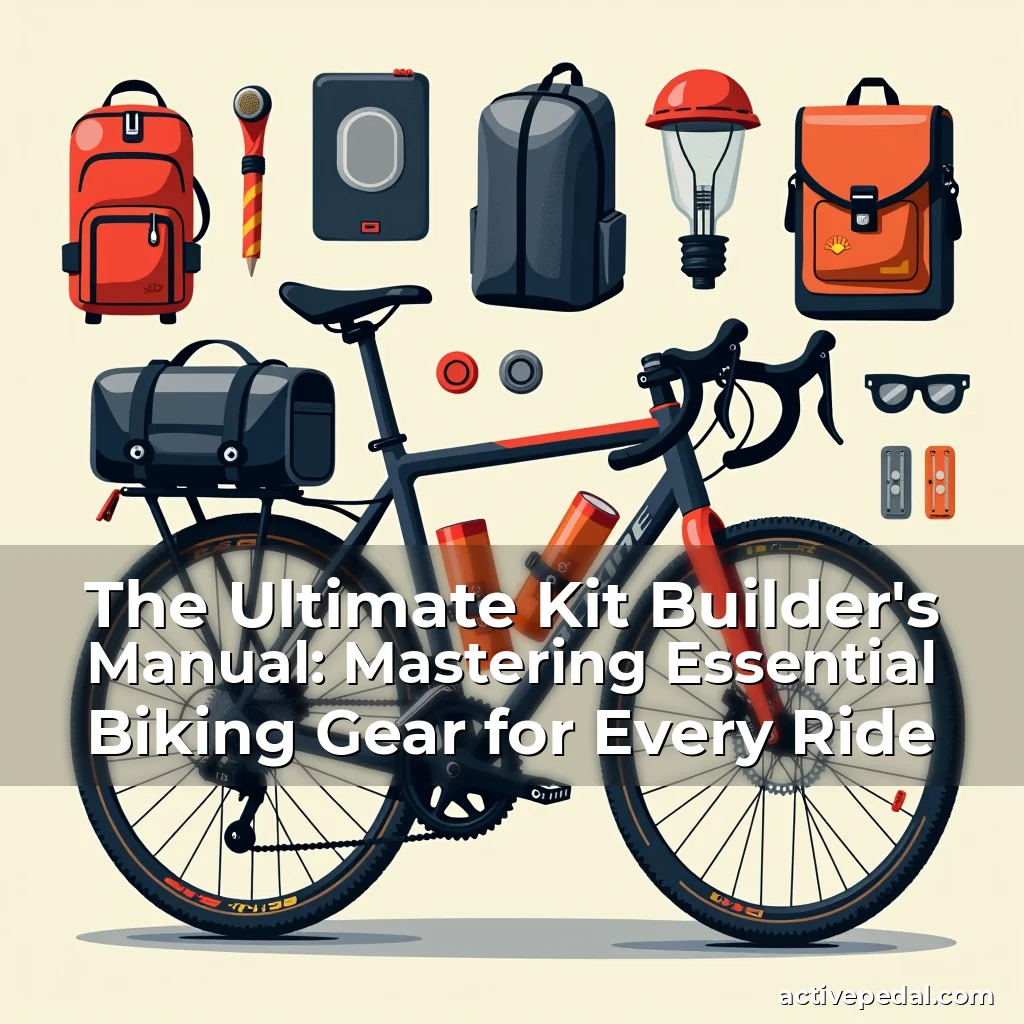
The Ultimate Kit Builder’s Manual: Mastering Essential Biking Gear for Every Ride
In an era where performance meets personal expression on two wheels, selecting the right biking gear is akin to crafting your own identity through function and fashion. Whether you’re navigating city streets, conquering mountain trails, or chasing wind across open roads, each piece of equipment tells a story of both practicality and passion.
This guide transcends basic checklists by diving deep into how every component interacts with your riding style, terrain preferences, and safety needs. From foundational items that ensure comfort during daily commutes to specialized tools for off-road adventures, we’ll explore what makes certain gear indispensable while helping you avoid common pitfalls in selection and maintenance.
Fundamental Foundations: Building Your Core Cycling Inventory
Your core cycling inventory forms the backbone of any successful ride, beginning with the most essential element—your bicycle itself. While choosing between road bikes, hybrid models, or mountain variants depends largely on intended use cases, ensuring your chosen frame fits properly remains non-negotiable.
A well-fitted bike dramatically reduces fatigue and injury risk over time. This means measuring not only inseam length but also considering torso proportions when adjusting saddle height and handlebar reach. Even minor misalignments can lead to chronic discomfort or mechanical inefficiencies down the line.
- Bike Fit Essentials: Proper saddle position prevents knee strain; handlebar adjustments affect posture and control
- Tire Selection: Road tires prioritize speed whereas trail tires offer enhanced grip and puncture resistance
Complementing your primary vehicle are fundamental accessories such as helmets and lights. A certified helmet provides crucial head protection without compromising ventilation—a balance achieved through advanced materials like expanded polystyrene combined with breathable mesh panels.
Lights have evolved beyond simple visibility aids. Modern LED systems integrate smart sensors that automatically adjust brightness based on ambient light conditions, making them invaluable for early morning commuters or late-night rides through dimly lit neighborhoods.
Elevating Performance: Advanced Components That Make All the Difference
While fundamentals guarantee safe operation, advanced components elevate overall experience significantly. Consider drivetrain efficiency—an often-overlooked aspect affecting everything from climbing power output to downhill momentum conservation.
Modern groupsets feature synchronized shifting mechanisms that minimize derailleur rub while maximizing chainline accuracy. Brands like Shimano and SRAM invest heavily in precision engineering to deliver seamless transitions between gears under various load conditions.
Drivetrain Optimization Tips:
- Maintain regular chain lubrication using wax-based products for reduced friction losses
- Schedule periodic derailleurs alignment checks after significant mileage accumulations
Braking technology has seen remarkable advancements too. Disc brakes now dominate competitive racing circuits due to their superior stopping power compared to traditional rim brake designs. Hydraulic disc systems particularly excel at maintaining consistent modulation even in wet or muddy conditions.
Cycling computers represent another game-changer for serious riders tracking progress metrics. These devices go far beyond simple odometer functions, offering real-time data on heart rate variability, cadence patterns, and elevation changes—all critical parameters for optimizing training regimens.
Comfort & Safety First: Selecting Protective Equipment Wisely
No amount of technical prowess matters without adequate protection measures in place. Helmets remain paramount among these essentials despite their seemingly simple design. High-quality models incorporate multi-directional impact absorption systems capable of mitigating forces up to 200% greater than standard requirements.
Protective clothing extends beyond typical jerseys and shorts. Full-body armor suits equipped with CE-rated padding become necessary when tackling aggressive mountain descents or participating in cyclocross events involving rough terrain elements.
Essential Protection Items:
- Helmets: Look for MIPS certification indicating rotational force management capabilities
- Knee & Elbow Guards: Choose lightweight carbon fiber options for minimal bulk yet maximum durability
- Vest Liners: Opt for moisture-wicking fabrics with built-in reflective strips for nighttime visibility
Gloves serve dual purposes—enhancing grip strength while protecting hands against blisters caused by prolonged contact with handlebars. Premium gloves utilize ergonomic shaping techniques along with gel inserts strategically placed around palm areas prone to pressure points.
Eye protection shouldn’t be overlooked either. Wraparound sunglasses featuring UV400 filtration protect eyes from harmful rays while polarized lenses reduce glare from surfaces like asphalt or water bodies encountered frequently during rides.
Dress for Success: Apparel Strategies Across Different Riding Conditions
Clothing choices play a pivotal role in determining both comfort levels and performance outcomes across varying environmental scenarios. Thermal regulation becomes especially crucial when transitioning between indoor trainer sessions and outdoor winter routes requiring layered insulation strategies.
Base layers constructed from merino wool provide natural temperature control properties, wicking away sweat while retaining warmth even when dampened. Mid-layers add additional insulation without restricting movement, perfect for those seeking flexibility between different climates zones they might encounter mid-ride.
Layering Techniques Explained:
- Light Layer: Breathable fabric base layer designed to draw moisture away from skin surface
- Mid-Layer: Insulating jacket made from synthetic fibers or fleece material
- Outer Shell: Waterproof-breathable membrane garment resistant to rain showers and wind chill effects
Rain gear demands particular attention given its direct influence on safety factors. Integrated waterproof zippers prevent water ingress while articulated joints allow full range-of-motion freedom similar to normal cycling attire rather than restrictive alternatives.
Sun protection apparel goes beyond sunscreen application. UPF-rated clothing blocks harmful ultraviolet radiation effectively, reducing sunburn risks associated with long exposure periods during peak daylight hours which cyclists commonly face outdoors.
Navigational Tools: Enhancing Awareness Through Smart Technology
In today’s digitally connected world, navigation systems have transformed how cyclists interact with their surroundings. GPS-enabled smartphones paired with dedicated cycling apps create dynamic maps showing alternative route suggestions avoiding traffic congestion or construction delays ahead.
Specialized cycling computers take this concept further by incorporating barometric pressure sensors that predict weather shifts before visual cues appear. Such predictive analytics enable proactive decision-making regarding whether to continue current journey or seek shelter from approaching storms.
Must-Have Navigation Features:
- Route Planning Capabilities: Preload custom tracks onto SD cards for offline access during remote excursions
- Incident Detection Systems: Automatic emergency alerts sent via Bluetooth connections when sudden stops occur unexpectedly
- Data Logging Functions: Store historical ride information useful for analyzing trends in performance improvements
Smartphone integration allows for voice-command functionality controlling music playlists, phone calls, and message notifications—all managed through compatible earpieces engineered specifically for cyclist environments minimizing distractions.
Even traditional paper maps retain relevance alongside digital counterparts thanks to their reliability in situations lacking cellular connectivity. Folding bike-specific charts displaying topographic features aid orientation efforts particularly beneficial for off-grid exploration ventures.
Power Up Your Pedals: Understanding Bike Power Meters
For cyclists aiming to refine their technique scientifically, power meters represent the gold standard metric system available currently. By quantifying exact wattage produced during pedaling motions, these instruments facilitate precise calibration of effort outputs relative to target thresholds established through coaching programs or self-assessment protocols.
Installation positions vary depending upon model type—with crank arm-mounted units providing whole-leg power readings versus pedal-based solutions capturing individual limb contributions separately. Both approaches yield valuable insights albeit emphasizing slightly different physiological aspects related to muscle engagement dynamics.
Types of Power Meter Technologies:
- Crank Arm Models: Offer accurate overall power measurements suitable for general training applications
- Pedal-Based Designs: Provide differential analysis identifying weaker limbs needing strengthening exercises
- Chainring Variants: Ideal for track cyclists focusing solely on pure sprinting performances
Data collected through power meter usage informs periodization strategies within structured workout plans. Coaches leverage this telemetry to customize intensity intervals matching athletes’ recovery capacities thereby preventing overtraining syndromes potentially hindering future gains.
Integration with smartphone apps enables automatic synchronization of workout logs containing timestamps, duration records, and average power values displayed graphically for easy interpretation. Cloud storage facilities permit cross-device compatibility allowing users to monitor progress across multiple platforms simultaneously.
Hydration and Nutrition: Fueling Efficiency During Long Rides
Maintaining optimal hydration levels proves vital for sustaining energy reserves throughout extended cycling endeavors exceeding ninety minutes duration. Specialized hydration packs equipped with insulated reservoirs maintain drink temperatures ideally suited for consumption regardless of external climate fluctuations.
Electrolyte replacement solutions come pre-mixed in convenient single-serving pouches designed for quick rehydration processes following intense exertion phases. Sodium chloride concentrations match human body fluids precisely restoring mineral balances disrupted through excessive perspiration loss.
Optimal Hydration Practices:
- Pre-Ride Preparation: Consume 500ml liquid two hours prior initiating activity to establish baseline fluid stores
- During Exercise: Sip approximately 60-80 ml every fifteen minutes keeping pace with sweat rates determined earlier through controlled testing procedures
- Post-Activity Recovery: Replenish lost fluids equivalent to 120%-150% of weight difference measured post-exercise completion times
Cyclists benefit immensely from having nutrient-dense snacks readily accessible during long-distance jaunts. Energy gels infused with carbohydrates supply immediate fuel sources whereas solid food items containing complex sugars sustain steady release profiles over longer durations.
Portable nutrition bars formulated specifically for endurance sports contain balanced ratios of protein, healthy fats, and micronutrients essential for tissue repair and immune support functions required after grueling workouts pushing physical limits repeatedly throughout weeks leading towards race day preparations.
Toolkits for Trailside Troubleshooting: Being Prepared When Things Go Wrong
Despite meticulous preparation routines, unforeseen mechanical failures occasionally disrupt planned itineraries necessitating swift resolution strategies. Carrying compact tool kits containing essential wrench sizes, tire levers, patch kits, and spare tubes becomes imperative for independent troubleshooting efforts away from service stations or home garages.
Multi-tools consolidate numerous small implements into single handheld devices enabling rapid fixes ranging from loose bolts tightening operations to inner tube replacements performed efficiently even amidst challenging roadside circumstances.
Essential Toolkit Contents:
- Spanner Set: Includes hex keys covering common fastener types found across modern bicycles
- Tire Levers: Designed for easy removal of damaged tubes without risking rim deformation incidents
- Mini Pump: Dual-action models ideal for quickly inflating flat tires back to recommended pressures
- Emergency Lights: Compact LED flashlights useful for signaling assistance requests during nighttime emergencies
Chain wear indicators help determine when to replace worn-out links before they cause catastrophic breakdowns mid-ride. Measuring tools assess elongation percentages accurately predicting remaining lifespan expectations based on manufacturer specifications provided in product documentation sheets.
Spares include extra cables for shifters, brake pads exhibiting signs of deterioration, and derailleur hangers needing replacement after collisions or impacts damaging delicate pivoting mechanisms responsible for smooth gear transitions occurring seamlessly behind rider awareness levels.
Environmental Stewardship: Sustainable Choices in Bicycle Accessories
As eco-conscious consumers increasingly prioritize sustainability initiatives, selecting environmentally friendly biking gear aligns perfectly with broader green living goals. Recycled materials incorporated into helmet production reduce landfill waste while maintaining structural integrity comparable to virgin polymer alternatives traditionally used industry-wide.
Companies specializing in biodegradable packaging wrap components destined for disposal safely decomposing naturally without leaving toxic residues polluting ecosystems. Certifications like Cradle-to-Cradle verify products undergo rigorous assessments evaluating recyclability potential along entire lifecycle trajectories from raw material extraction stages through end-use phases.
Eco-Friendly Product Highlights:
- Recycled Fiber Jerseys: Made from repurposed plastic bottles contributing positively toward circular economy principles
- Plant-Based Lubricants: Environmentally safe substitutes replacing petroleum-derived greases harming aquatic lifeforms
- Biodegradable Tire Sealants: Instant leak repair agents dissolving harmlessly once expired serving designated purposes
Carbon footprint calculations assist informed purchasing decisions comparing transportation emissions generated transporting goods globally versus localized manufacturing centers producing locally sourced items requiring less fossil fuel combustion during distribution logistics networks.
Repair services promoting reuse extend item lifespans significantly decreasing demand for new purchases perpetuating resource depletion cycles. Community workshops teach basic maintenance skills empowering individuals fixing minor issues independently rather than relying exclusively upon professional technicians charging premium fees for routine upkeep tasks.
Customization Chronicles: Personalizing Your Gear for Unique Needs
Personalization elevates ordinary equipment into bespoke extensions reflecting individual identities uniquely. Custom paint jobs transform stock frames into artistic masterpieces expressing creative flair while reinforcing brand loyalty sentiments towards favored manufacturers whose aesthetics resonate personally.
Modular component systems allow interchangeable parts adapting configurations according to seasonal variations or event-specific requirements. For example, swapping out narrow road tires for wider gravel versions facilitates smooth transitions between pavement paths and dirt trails encountered frequently during mixed-surface adventures.
Popular Customization Options:
- Colorful Frame Paint Jobs: Professional-grade spray coatings applied by skilled artisans delivering flawless finishes
- Integrated Lighting Systems: Built-in LED arrays enhancing visibility while eliminating need for separate mounting hardware
- Adjustable Seat Posts: Enable micro-adjustments fine-tuning saddle heights dynamically responding to changing physiological states throughout rides
Wearable tech accessories blend form with function adding value beyond mere appearance considerations. Heart rate monitors embedded within chest straps wirelessly transmit vitals directly to smartwatches synchronizing health data streams continuously monitored for anomalies warranting intervention measures promptly.
Reflective detailing enhances conspicuity particularly advantageous for urban dwellers commuting through densely populated corridors where pedestrian interactions increase accident probabilities substantially. Strategically positioned strips maximize passive illumination absorbing ambient light sources converting them into visible signals alerting drivers to presence nearby.
Community Connections: Leveraging Local Resources for Better Gear Insights
Engaging with local cycling communities offers unparalleled opportunities discovering niche products tailored specifically towards regional challenges faced regularly by area residents sharing similar experiences encountering identical obstacles routinely traversed together.
Local bike shops serve as knowledge hubs housing experienced staff familiar intimately with terrain characteristics influencing gear recommendations appropriately addressing specific concerns arising from frequent encounters with those environmental conditions.
Benefits of Community Engagement:
- Expert Advice: Shop employees possess firsthand knowledge about which brands perform reliably under local climatic extremes
- Testimonials: Real-world feedback helps identify durable options resisting premature failure modes observed consistently across user bases
- Group Events: Participate in organized rides gaining practical understanding about how different setups function realistically outside controlled test environments
Workshops hosted periodically cover topics spanning from basic maintenance tutorials demonstrating correct cable tensioning techniques to advanced tuning seminars explaining nuances involved calibrating suspension forks achieving optimal damping responses during varied trail intensities.
Online forums complement physical interactions expanding geographical boundaries facilitating exchanges between cyclists separated geographically yet united purposefully pursuing shared interests relating closely to bicycle-related pursuits fostering camaraderie transcending distances separating members physically apart spatially although mentally connected virtually.
Conclusion
Mastering the art of assembling complete biking gear requires balancing technical proficiency with intuitive understanding derived from extensive hands-on experimentation conducted over years accumulating diverse riding experiences across multiple disciplines encompassing road, mountain, and hybrid categories.
By systematically evaluating each component’s role within holistic system functioning cohesively together, cyclists cultivate deeper appreciation appreciating subtleties influencing overall enjoyment levels achievable through mindful selections prioritizing quality assurance standards upheld strictly by reputable producers committed delivering reliable performance consistently meeting stringent industry benchmarks set forth governing regulatory bodies overseeing safety certifications applicable universally across global markets.