The Ultimate Roadmap to Mastering Fitness Biking: Power, Endurance & Performance
Fitness biking is more than just pedaling—it’s a dynamic fusion of cardiovascular training, strength development, and mental resilience that transforms both body and mind. Whether you’re lacing up for an indoor spin session or hitting the open road, mastering fitness biking requires strategy, consistency, and smart goal-setting.
This guide delves deep into the science behind effective cycling workouts, equipping you with actionable strategies to elevate your performance. From optimizing gear ratios to understanding heart rate zones, we’ll uncover how every aspect of your ride contributes to long-term progress.
Understanding the Science Behind Effective Cycling Workouts
Cycling is a full-body workout that engages muscles from your glutes down to your calves while also strengthening your core and upper body through stabilizing movements. The key lies in balancing aerobic capacity with muscular endurance to maximize results without overtraining.
Research shows that high-intensity interval training (HIIT) can boost metabolism by up to 48 hours post-workout, making cycling sessions particularly efficient for fat loss. This makes bike-based training ideal for individuals seeking time-effective ways to maintain lean muscle mass while improving cardiorespiratory health.
- Aerobic Efficiency: Regular cycling increases mitochondrial density in muscle cells, enhancing oxygen utilization during prolonged exertion.
- Muscle Fiber Adaptation: Resistance training elements within cycling help convert fast-twitch fibers to more fatigue-resistant slow-twitch fibers.
- Hormonal Response: Intense cycling stimulates growth hormone release, which aids in tissue repair and metabolic regulation.
To optimize these physiological benefits, cyclists should incorporate varied intensity levels into their routine—mixing steady-state rides with structured intervals to promote holistic adaptation across different energy systems.
Choosing the Right Equipment for Your Fitness Goals
Selecting appropriate equipment isn’t merely about aesthetics; it’s crucial for maximizing efficiency, preventing injuries, and ensuring comfort during extended sessions. A well-fitted bicycle significantly impacts power transfer and overall riding experience.
Beyond the frame itself, components such as handlebars, saddle height, crank length, and tire pressure play pivotal roles in biomechanics. For instance, improper seat height can lead to knee strain, while incorrect handlebar reach might cause shoulder discomfort.
For beginners focusing on general fitness, hybrid bikes offer versatility between city commuting and light trail use. Meanwhile, those aiming for competitive performance often opt for road bikes due to their aerodynamic design and lightweight construction.
Investing in quality safety gear—including helmets, gloves, reflective clothing, and properly inflated tires—is essential not only for protection but also for maintaining optimal control at various speeds and terrains.
Designing Your Perfect Training Plan
An effective training plan must align with personal goals whether they be weight management, muscle toning, or race preparation. Structuring weekly sessions around progressive overload ensures continuous improvement without risking burnout or injury.
Beginners typically benefit from starting with three to four days per week, gradually increasing frequency as stamina improves. Including rest days allows muscles time to recover while keeping motivation high through variety in activities.
Varying intensity levels helps prevent plateaus by challenging different aspects of physical conditioning. Alternating between moderate-paced endurance rides and high-energy sprints keeps workouts fresh and physiologically stimulating.
Incorporating cross-training exercises like swimming or yoga complements cycling by addressing weaknesses in flexibility, balance, and joint mobility—all critical factors in injury prevention among cyclists.
Maximizing Aerodynamics for Better Performance
Aerodynamics plays a significant role in cycling speed, especially when tackling longer distances or competing against others. Reducing drag through posture adjustments and specialized gear choices can yield measurable improvements in pace and efficiency.
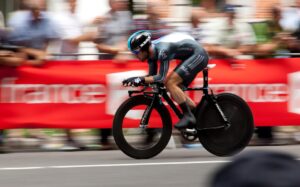
Tucking lower on the bike decreases frontal area exposed to wind resistance, allowing riders to maintain higher speeds with less effort. Using aerobars or triathlon-specific handlebars enables deeper tucks that further minimize air resistance.
Properly fitted shoes with stiff soles enhance power transmission from legs to pedals, reducing wasted motion and increasing propulsion efficiency. Wearing skin-tight attire minimizes fabric flapping that creates additional turbulence.
Wind tunnel studies show that even minor changes in positioning—like adjusting elbow angles or helmet placement—can reduce drag coefficients by up to 15%, translating into real-world gains during races or timed efforts.
Nutrition Strategies That Fuel Every Ride
Optimal nutrition before, during, and after cycling sessions supports peak performance and accelerates recovery. Carbohydrate intake provides immediate fuel, while proteins aid muscle repair following intense activity.
Consuming easily digestible carbs 1-2 hours pre-ride ensures glycogen stores are adequately replenished. Foods rich in complex carbohydrates like whole grains or fruits supply sustained energy without causing gastrointestinal distress.
During long-duration rides exceeding 90 minutes, consuming 30-60 grams of carbohydrates hourly maintains blood glucose levels and delays onset of fatigue. Sports drinks or gels containing electrolytes help replace lost minerals through sweating.
Post-exercise refueling within 30 minutes window maximizes protein synthesis rates. Combining carbohydrates with protein sources like milk shakes or chicken breast promotes quicker muscle recovery and reduces soreness.
Recovery Techniques for Sustained Progress
Active recovery techniques such as low-intensity spinning or foam rolling help flush out lactate buildup while promoting circulation and muscle relaxation. These methods accelerate healing processes without taxing already fatigued tissues.
Sleep remains one of nature’s most powerful recovery tools, facilitating cellular regeneration and hormonal balance necessary for muscle restoration. Aim for seven to nine hours nightly to support optimal function and immune response.
Cold therapy applications including ice baths or cryotherapy chambers constrict blood vessels temporarily, reducing inflammation and numbing pain signals effectively after hard workouts.
Hydration goes beyond simply drinking water—it involves replacing fluids lost through sweat using electrolyte-rich solutions that restore mineral balances disrupted by exercise-induced dehydration.
Tracking Progress Through Data Analytics
Leveraging technology through GPS trackers, heart rate monitors, and power meters offers objective measures of performance trends over time. Analyzing these metrics reveals patterns that inform smarter training decisions.
Heart rate variability (HRV) monitoring indicates autonomic nervous system status, providing insight into readiness for new challenges based on daily fluctuations rather than fixed numbers alone.
Data tracking software platforms allow users to visualize improvements in VO2max values, watts per kilogram ratios, and cadence efficiency—key indicators of athletic progression across diverse cycling disciplines.
Regular assessment combined with periodic re-evaluation ensures that training programs remain aligned with evolving capabilities, avoiding stagnation through timely adaptations in workload distribution.
Common Mistakes to Avoid While Practicing Fitness Biking
Overlooking warm-up routines leads to increased risk of soft tissue injuries as cold muscles lack sufficient elasticity required for sudden movements. Always allocate five to ten minutes preparing joints and connective tissues before pushing harder intensities.
Ignoring proper hydration protocols may result in decreased coordination and impaired thermoregulation, potentially leading to heat exhaustion under extreme conditions where perspiration becomes excessive without adequate fluid replacement.
Rushing into advanced training phases too quickly without building foundational skills sets up potential setbacks caused by poor form execution under load—this applies especially true regarding hill climbing techniques or cornering maneuvers requiring precise timing.
Using ill-fitting bicycles causes chronic discomfort issues ranging from numbness in hands/feet to severe back pain stemming from misaligned seating positions that force unnatural postures throughout each pedal stroke cycle.
Community Engagement & Social Aspects Of Cycling Culture
Joining local cycling groups fosters camaraderie while exposing members to new routes, events, and perspectives that enrich individual experiences within broader networks of fellow enthusiasts sharing similar passions.
Participating in charity rides or group challenges cultivates teamwork spirit alongside raising awareness about social causes supported through collective fundraising initiatives tied closely together with physical activity participation.
Online forums and social media communities serve as invaluable resources connecting cyclists globally who exchange tips, troubleshoot problems remotely, and celebrate milestones achieved independently yet collectively through shared interests.
Engaging actively within these spaces encourages knowledge-sharing practices beneficial not only personally but also contributing positively towards shaping future generations interested exploring cycling lifestyles themselves someday soon.
Conclusion
Fitness biking represents far more than simple transportation means—it embodies commitment toward achieving wellness objectives through disciplined engagement with outdoor environments coupled with scientific approach managing bodily responses accordingly.
By integrating strategic planning focused upon personalized needs, embracing technological advancements aimed at refining technique continuously, and nurturing connections formed naturally along journey ahead, any cyclist possesses immense potential ready unlocking once fully committed pursuing excellence consistently day-by-day basis going forward now!

news is a contributor at ActivePedal. We are committed to providing well-researched, accurate, and valuable content to our readers.