
Revving Up Your Journey: A Deep Dive Into the World of Competitive Cycling Events
Cycling events have evolved from simple recreational rides to high-stakes competitions that draw thousands of participants worldwide. Whether you’re chasing personal bests or aiming to conquer professional circuits, understanding the landscape of competitive cycling opens doors to new challenges and communities.
From time trials to mountain stage races, each type of event offers a distinct experience shaped by terrain, strategy, and endurance. This guide explores the intricacies of these events, helping cyclists navigate registration, preparation, and performance optimization.
The Spectrum of Competitive Cycling Events
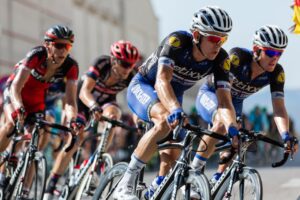
The diversity of cycling events reflects the sport’s versatility across disciplines and environments. Road racing remains the most prominent category, featuring grand tours like the Tour de France and UCI WorldTour classics.
Mountain biking events add another layer of intensity through off-road terrains, requiring specialized skills such as technical trail navigation and bike handling. Cyclocross combines elements of road and track cycling within muddy, obstacle-filled courses.
- Road Racing: Includes criteriums (short, fast-paced urban races) and gran fondos (mass-participation long-distance rides).
- Time Trials: Solo efforts against the clock, often held on closed roads or velodromes, emphasizing pure speed and pacing strategies.
Navigating Registration and Eligibility Requirements
Participating in organized cycling events requires careful attention to entry criteria, which vary significantly based on event level and location. Professional races typically demand elite licenses and team affiliations.
American riders seeking international opportunities must meet UCI licensing standards, while amateur athletes may qualify via national federations or regional classifications. Age restrictions also apply, particularly for junior categories and youth development programs.
Understanding Race Categories
Categorization systems ensure fair competition among riders of different abilities. In the United States, USA Cycling divides competitors into Elite, Masters, and Junior divisions, with further subdivisions based on gender and age groups.
Professional pelotons maintain stricter hierarchies, distinguishing between WorldTour teams, Continental squads, and Development Teams. These distinctions influence prize money distribution, media coverage, and sponsorship opportunities.
Mental Preparation for High-Stakes Competitions
Precise mental conditioning complements physical training when competing in demanding events. Visualization techniques help riders mentally rehearse race scenarios, improving reaction times during critical moments.
Stress management becomes crucial during multi-day Grand Tours, where cumulative fatigue impacts decision-making. Mindfulness practices combined with structured sleep schedules enhance cognitive function under pressure.
- Pre-Race Rituals: Establishing routines before starts helps regulate adrenaline levels and maintain focus.
- Situational Awareness: Scanning the field constantly allows strategic positioning in pack racing situations.
Optimizing Physical Training Regimens
Event-specific training protocols maximize performance gains while minimizing injury risks. Endurance-focused events like Gran Fondos benefit from interval training mixed with long steady-state rides.
Track cycling requires precise power output measurements, with riders analyzing wattage data to refine sprint techniques and pacing strategies. Hill climbs necessitate strength-based workouts targeting leg muscles.
Recovery periods between training sessions should align with event calendars. For multi-stage races, tapering schedules become essential to preserve freshness while retaining fitness levels.
Equipment Selection and Maintenance
Choosing the right gear significantly affects performance outcomes in competitive settings. Lightweight carbon fiber frames offer aerodynamic advantages for time trialists, while gravel bikes provide stability on mixed surfaces.
Bike maintenance routines should intensify pre-event, focusing on drivetrain efficiency, tire pressure checks, and brake functionality tests. Custom fit assessments guarantee optimal comfort during extended rides.
- Tire Choice: Select tires based on course conditions – slick tires for dry pavement vs. knobby treads for wet trails.
- Wheelset Optimization: Aerodynamic wheels reduce drag in flat stages, whereas deep-section rims excel in crosswinds.
Nutrition Strategies for Competition Days
Drafting nutrition plans aligned with event duration ensures sustained energy output. Carbohydrate loading begins days before long-distance events to maximize glycogen stores.
In-race fueling involves calculated intake of easily digestible carbohydrates, spaced approximately every 30 minutes during intense efforts. Hydration strategies adjust according to temperature and sweat rates.
Post-event recovery meals prioritize protein synthesis within 30-60 minutes after finishing, combining lean proteins with complex carbohydrates for muscle repair and replenishment.
Mastering Course-Specific Tactics
Strategic knowledge of routes provides a decisive edge in competitive scenarios. Studying elevation profiles helps anticipate climbing segments and plan drafting positions accordingly.
Weather forecasting plays a pivotal role in race preparation, influencing clothing choices and pacing decisions. Rainy conditions may alter cornering speeds and braking distances.
- Breakaway Opportunities: Identifying potential escape routes early enables tactical moves in mass-start events.
- Team Roles: Understanding your position within a squad clarifies responsibilities during both solo and group tactics.
Technology Integration in Modern Cycling Events
GPS-enabled devices now track real-time metrics during races, providing instant feedback on cadence, heart rate, and power outputs. Some events incorporate live tracking features for spectators and sponsors.
Data analytics platforms analyze historical performances to predict future outcomes, assisting coaches in developing personalized training programs. Virtual reality simulations allow racers to practice challenging descents safely.
Wearable tech advancements continue pushing boundaries, with smart helmets monitoring brain activity patterns during high-intensity exertion. These innovations reshape coaching methodologies and athlete development.
Building Strategic Networks Within the Cycling Community
Fostering relationships with fellow riders enhances both social engagement and competitive growth. Joining local clubs provides access to shared resources and mentorship opportunities.
Attending trade shows exposes cyclists to cutting-edge equipment and industry trends. Engaging with online forums connects riders globally, facilitating knowledge exchange about training methods and event experiences.
Volunteering at grassroots events builds credibility within the community while offering behind-the-scenes insight into event organization logistics.
Insurance Considerations for Event Participation
Comprehensive insurance policies protect against unforeseen circumstances ranging from medical emergencies to equipment damage. Riders should review policy specifics regarding liability coverage limits.
International travelers must verify whether their current health insurance extends to foreign jurisdictions. Specialized sports insurance packages often include emergency evacuation services.
- Medical Coverage: Ensures treatment accessibility for injuries sustained during competitions.
- Luggage Protection: Covers loss or damage to equipment during transit to event locations.
Environmental Impact Mitigation Strategies
Cyclists play an active role in reducing ecological footprints associated with large-scale events. Choosing eco-friendly transportation options to reach venues minimizes carbon emissions.
Supporting sustainable initiatives promoted by event organizers contributes to greener operations. Many races now implement waste reduction programs and promote public transport usage.
Using reusable water bottles instead of single-use plastics demonstrates individual commitment to environmental stewardship within the cycling community.
Media Engagement Opportunities for Athletes
Active participation in press conferences and interviews expands visibility beyond athletic achievements. Social media presence allows direct interaction with fans and brand partners.
Documentary film crews frequently seek authentic stories from competitors, capturing behind-the-scenes preparations and emotional journeys. Podcast appearances offer deeper exploration of training philosophies.
- Photography Etiquette: Being aware of camera angles improves presentation during official photo sessions.
- Voice Tone Management: Maintaining consistent communication style strengthens rapport with interviewers.
Evolution of Women’s Participation in Competitive Cycling
Historical barriers have gradually diminished, creating greater equity in professional and amateur ranks alike. Female riders now compete in equal numbers alongside male counterparts in many categories.
Initiatives promoting girls’ involvement in cycling from childhood contribute to long-term workforce diversification within the sport. Title sponsorships increasingly feature female athletes prominently.
Advancements in women-specific gear design reflect growing recognition of physiological differences impacting performance. These developments encourage broader participation across all skill levels.
Concluding Thoughts on Elevating Your Cycling Experience
This exploration has illuminated various facets of competitive cycling events, revealing pathways to enhanced performance and connection within the sport. From mastering event-specific strategies to embracing technological advances, numerous opportunities exist for growth.
To fully embrace the cycling event journey, consider selecting one upcoming competition that aligns with your goals. Research its unique characteristics, prepare thoroughly, and immerse yourself in the vibrant atmosphere that defines these thrilling experiences.

news is a contributor at ActivePedal. We are committed to providing well-researched, accurate, and valuable content to our readers.