Starting with the introduction. It should explain what biking gear entails—protective clothing, helmets, shoes, etc.—and why it’s important. Maybe mention safety, performance, comfort. Need to make sure the intro sets the stage for the rest of the article.
Here, list out points like enhanced safety (helmet), improved performance (proper shoes, gloves), comfort during long rides (padding, breathable materials). Also, maybe talk about durability and cost-effectiveness in the long run if you invest in quality gear.
Getting started guide would outline steps for beginners. Then essential gear items: helmet, gloves, sunglasses, apparel, shoes, hydration system, lights, repair kit. Maybe include some advice on budgeting and starting simple before upgrading.
Best practices could cover maintenance routines, proper fit adjustments, pre-ride checks, weather-appropriate gear, and following traffic rules. Emphasize regular inspections and cleaning to prolong gear life.
Common mistakes might involve wearing inappropriate clothing (like cotton instead of moisture-wicking fabrics), not adjusting equipment properly, neglecting accessories (lights, reflectors), ignoring safety protocols, and skipping necessary repairs. These points highlight areas where new cyclists often go wrong.
Advanced tips could delve into specialized gear based on activity levels—like aerodynamic suits for racing, clip-in pedals for efficiency, power meters for training data, smart wearables for tracking stats, and nutrition strategies. Encourage continuous learning through workshops or online resources.
Conclusion should summarize all the points made, reiterate the importance of good gear for both safety and enjoyment, and perhaps encourage readers to explore more resources or communities related to cycling.
Make sure each section has appropriate headers, and bullet points are used effectively for readability. Avoid markdown; stick strictly to HTML syntax as per the example given.
I also need to ensure that each section flows logically from one to the Since it’s aimed at enthusiasts, the tone should be informative yet engaging, possibly even motivational towards the end.
Potential pitfalls to watch out for while drafting: ensuring technical accuracy regarding types of gears (e.g., difference between road vs MTB gear), correct usage guidelines, avoiding overly complex jargon unless explained. Also, checking that all recommended products or practices are current and widely accepted within the cycling community.
In terms of length, expanding each section sufficiently will help reach the desired word count. For instance, under ‘getting started’, elaborating on choosing the right bike size, different types of bikes, initial purchase considerations. In ‘best practices’, discussing detailed maintenance schedules, fitting techniques, etc.
Finally, proofreading for coherence, grammar, and adherence to the specified HTML structure once the draft is ready. Ensuring that no markdown is present and that all tags are correctly closed.
Here’s your comprehensive HTML article on **Biking Gear** tailored for cycling and fitness enthusiasts:
—
Biking Gear – Complete Guide
Introduction to Biking Gear
Cycling is more than just a form of exercise—it’s a lifestyle, a sport, and a mode of transportation embraced by millions worldwide. Whether you’re a casual rider commuting to work or a competitive athlete preparing for a triathlon, having the right biking gear is crucial. Properly selected and maintained equipment ensures your safety, enhances your performance, and maximizes your comfort during every ride.
Biking gear encompasses everything from protective clothing and headwear to specialized tools and accessories. While the basics may seem straightforward, understanding the nuances of high-quality gear can elevate your experience significantly. This guide explores the essentials of biking gear, its benefits, best practices, common mistakes, and advanced tips to help you become a smarter cyclist.
Key Benefits and Advantages of Quality Biking Gear
Investing in the right gear isn’t just about looking good—it’s about staying safe, performing better, and enjoying your rides longer. Below are some of the primary benefits:
Safety First
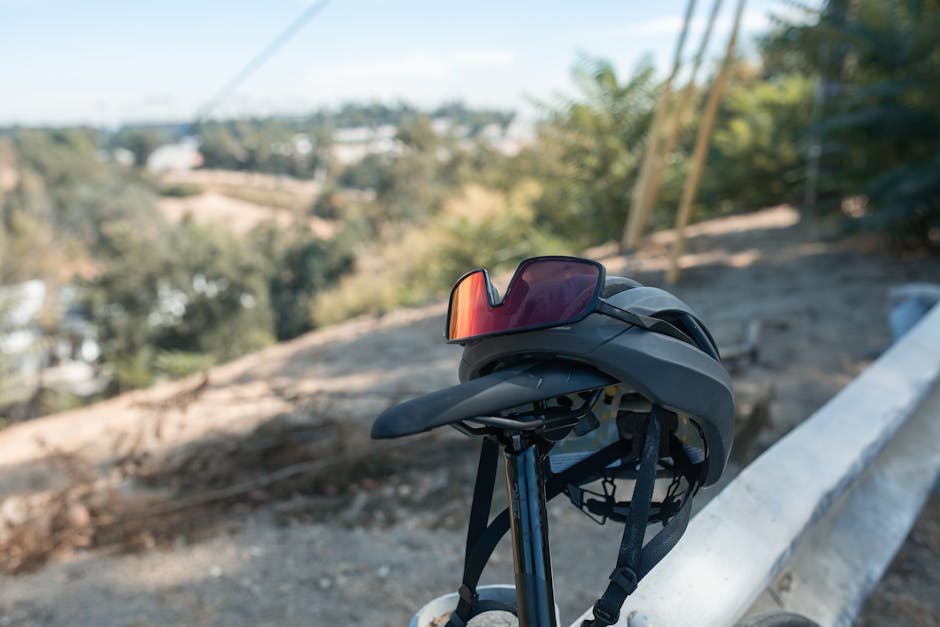
- Helmets: A well-fitted helmet reduces the risk of severe head injuries by up to 85%, according to studies by the Consumer Product Safety Commission. It acts as your first line of defense against falls and collisions.
- Padded Clothing: Knee and elbow guards, along with padded shorts, protect joints and reduce impact when falling, especially on rough terrain.
- Vision Protection: Sunglasses and clear goggles shield your eyes from debris, UV rays, and glare, improving visibility and reducing fatigue during long rides.
Performance Enhancement
- Aerodynamic Apparel: Tight-fitting jerseys and windproof jackets minimize air resistance, allowing you to pedal faster with less effort.
- Proper Footwear: Cycling shoes with stiff soles transfer energy efficiently to the pedals, boosting speed and reducing leg strain.
- Gloves: Gel-padded gloves improve grip on handlebars and absorb shock, preventing blisters and enhancing control.
Comfort and Durability
- Moisture-Wicking Fabrics: Breathable, quick-drying materials keep you cool and dry, preventing chafing and discomfort during extended rides.
- Ergonomic Design: Padded saddles, adjustable handlebars, and lightweight frames contribute to a comfortable posture, reducing muscle soreness after workouts.
- Durable Materials: High-quality gear resists wear and tear, saving you money in the long term and minimizing replacements.
Cost-Effectiveness Over Time
While premium gear may require an upfront investment, it pays off in reduced medical costs, fewer accidents, and prolonged equipment lifespan. Think of it as insurance for your health and passion for cycling.
Getting Started Guide: Essential Biking Gear for Beginners
If you’re new to cycling, knowing what gear to prioritize can feel overwhelming. Start with the essentials and gradually upgrade as your skills grow. Here’s a breakdown of beginner-friendly equipment:
Your Bike: The Foundation
Selecting the right bicycle depends on your purpose:
- Road Bikes: Designed for paved surfaces with drop handlebars and narrow tires for speed.
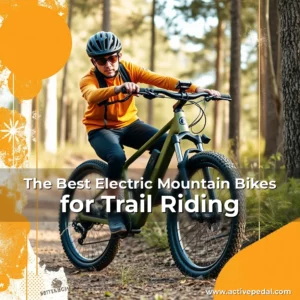
- Mountain Bikes: Built for trails with wide tires, suspension systems, and sturdy frames.
- Hybrid Bikes: Versatile options blending features of road and mountain bikes for city commutes and light trails.
Ensure the frame size matches your height, and test ride the bike before purchasing.
Protective Equipment
- Helmet: Always choose a certified model (CPSC, CE, or ASTM) that fits snugly and allows room for growth if applicable.
- Knee and Elbow Guards: Ideal for trail riders or those navigating uneven paths.
- Reflective Accessories: Bright vests, ankle straps, or LED lights increase visibility during low-light conditions.
Apparel and Footwear
- Jerseys and Shorts: Opt for breathable, sweat-wicking fabric with padding for long-distance comfort.
- Cycling Shoes: Look for models with cleats compatible with your pedals (clipless systems are standard for serious riders).
- Socks: Seamless designs prevent blisters and promote airflow around your feet.
Accessories for Every Ride
- Water Bottle Holder & Hydration System: Stay hydrated with a bottle cage mounted on your bike or a hydration pack for multi-hour rides.
- Lights and Reflectors: Front and rear lights are mandatory for night riding, while reflective tape improves daytime visibility.
- Tooltips and Repair Kit: Carry basic tools like tire levers, spare tubes, and a mini pump for unexpected flats.
Budgeting Tips for New Cyclists
Begin with affordable options and allocate funds for upgrades later. Prioritize safety-focused purchases (helmets, lights) over aesthetics. Many local bike shops offer rental programs or secondhand gear to help you get started inexpensively.
Best Practices for Using and Maintaining Your Biking Gear
Even the finest gear loses effectiveness if neglected. Follow these best practices to maximize longevity and performance:
Regular Maintenance Routines
- Clean After Every Ride: Wipe down your bike and gear to remove dirt, grime, and moisture that can cause corrosion or damage.
- Inspect Tires and Brakes: Check for cracks, punctures, or worn brake pads regularly, especially before long trips.
- Lubricate Moving Parts: Use chain lubricant to keep derailleurs, bearings, and other components running smoothly.
Proper Fit Adjustments
- Seat Height: Set your saddle so your legs are almost fully extended at the bottom of the pedal stroke (with a slight bend for comfort).
- Handlebar Position: Ensure your hands aren’t too far forward or backward; adjust until you maintain a relaxed posture.
- Helmet Sizing: The helmet shouldn’t move excessively when tilted side-to-side or front-to-back. A secure fit prevents injury in case of a crash.
Pre-Ride Checks
Before any journey, perform a quick inspection:
- Check tire pressure and tread depth.
- Test brakes for responsiveness.
- Verify that lights, bells, and horns function correctly.
- Ensure your hydration system is full and accessible.
Weather-Appropriate Preparation
- Rainy Days: Wear waterproof gear, apply silicone grease to chains, and avoid puddles that may hide potholes.
- Cold Weather: Layer thermal clothing, use winter-specific gloves, and consider heated grips for handlebars.
- Hot Climates: Choose lightweight, breathable attire and stay hydrated frequently.
Follow Traffic Rules and Safety Protocols
Always obey traffic signals, use hand signals when turning, and ride predictably to avoid accidents. Being visible and respectful increases safety for yourself and others on the road.
Common Mistakes to Avoid When Selecting Biking Gear
Many cyclists unknowingly commit errors that compromise safety or performance. Here are frequent pitfalls to steer clear of:
Ignoring Proper Fit
Wearing ill-fitting gear can lead to discomfort, inefficiency, or even injury. For example:
- A helmet that’s too loose won’t protect you adequately during crashes.
- Tight cycling shorts can restrict blood flow and cause numbness after hours of riding.
Choosing Cheap, Low-Quality Products
While budget-friendly options exist, cheap gear often lacks durability and safety certifications. For instance:
- Inexpensive helmets may not meet CPSC standards and fail in emergencies.
- Low-end shoes lack stiffness, leading to wasted pedaling effort and foot pain.
Neglecting Protective Gear
Some riders skip knee pads, elbow guards, or gloves due to inconvenience, but these items prevent minor scrapes from becoming major issues. Even seasoned athletes recommend them for trail riding.
Overlooking Minor Repairs
Small problems like a slightly bent derailleur or frayed cable can escalate into costly

news is a contributor at ActivePedal. We are committed to providing well-researched, accurate, and valuable content to our readers.